


If your dog keeps looking at you while you’re enjoying a handful of blueberries, you might wonder whether sharing a few is safe. The good news is that dogs can eat blueberries! These small, nutrient-rich fruits are generally safe for most healthy dogs when served plain and in moderation.
Blueberries contain antioxidants, fiber, and vitamins that can contribute to a dog’s overall nutrition. However, portion size matters. Eating too many may cause digestive upset, and whole berries can present a choking risk for some small dogs.
In this guide, we’ll explain how many blueberries dogs can eat, whether the skin is safe, how often you can offer them, and the best ways to prepare this fruit for your furry friend.
Can Dogs Eat Blueberries?
Yes! Most dogs can safely eat fresh or frozen blueberries as an occasional treat.
Blueberries are not considered toxic to dogs. They are naturally low in calories and contain fiber, vitamins, and beneficial plant compounds.
You can offer your dog:
- Fresh blueberries
- Plain frozen blueberries
- Mashed blueberries
- A small amount mixed into regular dog food
However, not every blueberry product is suitable for dogs. Avoid blueberry pie filling, sweetened canned blueberries, sugary blueberry desserts, and products containing artificial sweeteners.
Remember that blueberries are a treat, not a replacement for your dog’s regular, complete and balanced food.
Are Blueberries Good for Dogs?
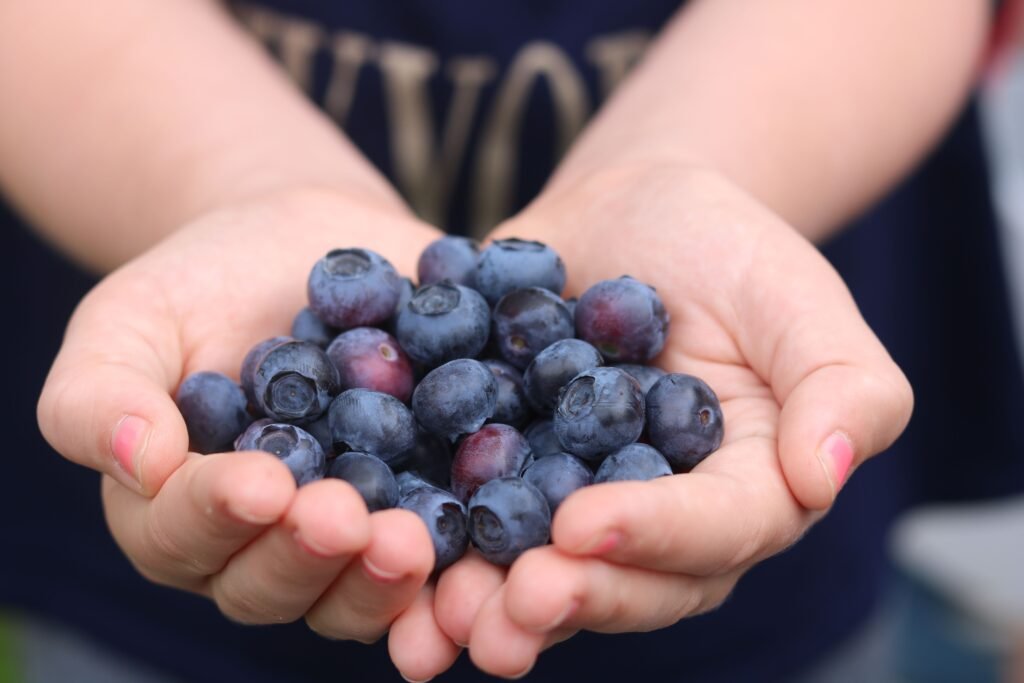
Yes, blueberries can be a nutritious addition to your dog’s treat options. They contain several nutrients and plant compounds that support normal body functions.
Here are some potential nutritional benefits.
1. Rich in Antioxidants
Blueberries are particularly known for their antioxidant content.
Antioxidants help protect cells against oxidative damage caused by unstable molecules called free radicals.
Blueberries contain plant compounds known as phytochemicals, including anthocyanins, which contribute to their deep blue color.
Research involving dogs suggests that antioxidant-rich diets may help support healthy aging and cognitive function. However, eating blueberries does not prevent or treat age-related diseases.
2. Provide Dietary Fiber
Blueberries contain dietary fiber, which supports normal digestive function.
Fiber helps regulate bowel movements and contributes to healthy stool formation.
However, feeding too many blueberries at once can have the opposite effect and cause gas, loose stools, or diarrhea.
3. Contain Vitamins and Minerals
Blueberries provide several nutrients, including:
- Vitamin C: An antioxidant involved in normal immune function.
- Vitamin K: Helps support normal blood clotting.
- Vitamin A: Supports vision and normal immune function.
- Manganese: Helps with normal enzyme activity and metabolism.
- Potassium: Supports normal muscle and nerve function.
Dogs can produce their own vitamin C, so blueberries are not necessary to meet their vitamin C requirements.
4. Make a Low-Calorie Treat Option
Compared with many commercial snacks, plain blueberries are relatively low in calories.
This makes them a useful occasional treat, especially when you want to offer something different from traditional dog biscuits.
Still, low-calorie does not mean unlimited. Your dog’s total daily treat intake should remain controlled.
Can Dogs Eat Blueberries With Skin?
Yes! Dogs can eat blueberries with their skin.
There is no need to peel blueberries before feeding them to your dog. The skin is edible and contains beneficial plant compounds, including anthocyanins.
However, follow these simple precautions:
- Wash blueberries thoroughly under clean running water.
- Remove stems or any unwanted plant material.
- Check for spoiled or moldy berries.
- Cut or mash them if your dog is very small or tends to swallow food quickly.
The skin itself is generally not a problem for healthy dogs. The main concerns are cleanliness, portion size, and choking risk.
How Many Blueberries Can Dogs Eat?
The appropriate number depends on your dog’s size, daily calorie requirements, activity level, and overall health.
There is no single serving size that works for every dog.
If your dog has never eaten blueberries before, start with one or two berries and observe how they respond.
A few important feeding principles:
- Start with a small amount.
- Introduce blueberries separately from other new foods.
- Watch for digestive problems.
- Include blueberry calories in your dog’s overall treat allowance.
- Reduce other treats when necessary.
Follow the 10% Treat Rule
Veterinary nutrition guidance commonly recommends that treats and additional foods make up no more than 10% of a dog’s daily calorie intake.
The remaining 90% or more should come from complete and balanced food.
For example, if your dog needs 500 calories daily, no more than 50 calories should come from all treats and additional foods combined.
This allowance includes blueberries, biscuits, table scraps, and other snacks—not just fruit.
Your veterinarian can help calculate an appropriate portion for your dog’s individual needs.
Can Dogs Eat Blueberries Every Day?
Most healthy dogs can tolerate small amounts of blueberries, but they do not need to eat them every day.
Blueberries can be offered occasionally or included in a small daily treat allowance if your veterinarian considers them appropriate.
However, daily feeding is not ideal for every dog.
Consider the following situations:
- Dogs with diabetes: Their diet and carbohydrate intake may require careful management.
- Dogs with sensitive stomachs: New foods may trigger digestive upset.
- Dogs on prescription diets: Additional foods may interfere with their nutritional plan.
- Overweight dogs: Extra treats can contribute to excess calorie intake.
If your dog enjoys blueberries, there’s no nutritional reason to make them a daily requirement. Variety and moderation are more important.
How Often Can Dogs Eat Blueberries?
For most healthy dogs, occasional small servings are a sensible approach.
Some dogs may tolerate small portions more frequently, but the total treat allowance should remain within the recommended calorie limit.
If you notice vomiting, diarrhea, or other unusual symptoms after feeding blueberries, stop offering them and contact your veterinarian if symptoms persist or are concerning.
How to Feed Blueberries to Dogs Safely

Preparing blueberries properly helps reduce unnecessary risks.
Here are some easy ways to serve them.
1. Fresh Blueberries
Fresh blueberries are one of the simplest options.
Wash them thoroughly, remove any stems, and offer a small portion.
Avoid berries that are spoiled, moldy, or contaminated.
2. Frozen Blueberries
Can dogs eat frozen blueberries? Yes, most dogs can enjoy plain frozen blueberries.
They can make a refreshing snack, particularly during warm weather.
However, frozen berries may be too firm or large for some small dogs. Let them soften slightly or cut them into smaller pieces before serving.
3. Mashed Blueberries
Mashing blueberries is a useful option for puppies and small dogs that may struggle with whole berries.
You can mix a small amount into your dog’s regular food.
4. Blueberries as a Training Treat
A few small pieces of blueberry can work as an occasional training reward.
If you use them during training, count them toward your dog’s daily treat allowance.
What Should You Avoid?
Never assume that every blueberry-flavored product is safe for dogs.
Avoid:
- Blueberry pie filling
- Blueberries packed in sugary syrup
- Sweetened blueberry yogurt
- Blueberry muffins containing chocolate or other unsafe ingredients
- Products containing xylitol
- Large quantities of dried blueberries with added sugar
Plain fruit is generally a better option than processed blueberry products.
Can Dogs Eat Blueberries With Yogurt?
Yes, dogs can eat blueberries mixed with yogurt if both ingredients are suitable for them.
A small amount of plain, unsweetened yogurt mixed with a few mashed blueberries can make an occasional treat.
However, there are some important precautions.
Choose:
- Plain yogurt without added sugar.
- Unsweetened Greek yogurt if your dog tolerates dairy.
- A small serving appropriate for your dog’s size.
Avoid:
- Yogurt containing xylitol.
- Flavored yogurt with added sugar.
- Chocolate yogurt.
- Products containing ingredients that are unsafe for dogs.
Xylitol is particularly dangerous. It can cause a rapid drop in blood sugar and potentially life-threatening liver damage in dogs.
Also, some dogs have difficulty digesting lactose, a natural sugar found in dairy products. These dogs may develop gas, diarrhea, or stomach discomfort after eating yogurt.
If your dog has never tried yogurt before, introduce it separately rather than combining two new foods at once.
Can Dogs Eat Blueberries and Blackberries?
Yes! Most healthy dogs can eat both blueberries and blackberries in moderation.
Both fruits contain fiber and naturally occurring plant compounds.
You can offer a few appropriately prepared berries together as an occasional snack.
Keep these precautions in mind:
- Wash both fruits before serving.
- Remove unwanted stems and leaves.
- Cut or mash berries for small dogs.
- Avoid sweetened berry mixtures.
- Keep the combined portion small.
Remember that mixing two dog-safe fruits does not mean your dog can eat unlimited quantities.
Potential Risks of Feeding Blueberries to Dogs
Although blueberries are generally safe, there are a few risks worth understanding.
1. Choking Hazard
Blueberries are small and round, which can make them difficult for some dogs to chew properly.
Very small dogs and dogs that gulp their food may be at greater risk.
Cutting or mashing blueberries can help reduce this risk.
2. Digestive Upset
Too many blueberries may cause:
- Loose stools
- Diarrhea
- Gas
- Stomach discomfort
- Occasional vomiting
If your dog develops persistent digestive symptoms, contact your veterinarian.
3. Natural Sugar Content
Blueberries contain naturally occurring sugars.
Although they are not especially high in calories, excessive portions can add unnecessary calories to your dog’s diet.
Dogs with diabetes or other conditions requiring dietary management should only receive additional foods with veterinary guidance.
4. Problems With Processed Blueberry Products
Blueberry-flavored foods may contain ingredients that are unsuitable or dangerous for dogs.
Some desserts contain chocolate, excessive sugar, or artificial sweeteners.
Always check the ingredient list before sharing human food with your pet.
What Fruits Can’t Dogs Eat?
Not all fruits are safe for dogs.
Some can cause serious health problems, even when consumed in relatively small quantities.
Here are some important examples:
| Fruit or food | Safety for dogs | Important information |
|---|---|---|
| Grapes | Toxic | Can cause acute kidney injury. |
| Raisins | Toxic | Can cause serious kidney damage. |
| Cherries with pits | Avoid | Pits, stems, and leaves contain cyanide compounds and pits can cause obstruction. |
| Fruit products containing xylitol | Dangerous | Xylitol can cause severe hypoglycemia and liver damage. |
Why Are Grapes and Raisins Dangerous?
Grapes and raisins are particularly concerning because they can cause sudden kidney injury in dogs.
The toxic response varies between individual dogs, and a reliably safe amount has not been established.
If your dog eats grapes or raisins, contact a veterinarian or animal poison control service immediately. Do not wait for symptoms to appear.
This is an important distinction: blueberries are generally safe in moderation, while grapes and raisins should never be intentionally fed to dogs.
Frequently Asked Questions
How many blueberries can I give my dog?
Start with one or two blueberries, particularly if your dog has never eaten them before.
The appropriate portion depends on your dog’s size, calorie requirements, health, and other treats. Keep all treats and additional foods within approximately 10% of daily calories.
What is the healthiest fruit for a dog?
There is no single healthiest fruit for every dog.
Blueberries, strawberries, apples (without seeds or core), and watermelon (without rind or seeds) can be suitable occasional treats when properly prepared.
The best choice depends on your dog’s individual health and nutritional needs.
What fruit can’t dogs eat?
Grapes and raisins should never be fed to dogs because they can cause potentially life-threatening kidney injury.
Avoid fruit products containing xylitol as well. Always check ingredients before sharing processed foods.
Are blueberries a laxative for dogs?
No, blueberries are not a laxative.
However, they contain dietary fiber, which can support normal digestive function. Eating too many may cause loose stools or diarrhea in some dogs.
If your dog has persistent constipation or diarrhea, speak with your veterinarian instead of relying on fruit to treat the problem.
Can puppies eat blueberries?
Puppies can generally eat small amounts of plain blueberries, provided the berries are prepared appropriately.
Mash or cut them into small pieces to reduce choking risk. Introduce only a tiny amount and check with your veterinarian if your puppy has digestive problems or special dietary requirements.
Can dogs eat frozen blueberries?
Yes, plain frozen blueberries are generally safe for dogs.
However, soften or cut them into smaller pieces for small dogs and dogs that swallow treats without chewing.
Can dogs eat dried blueberries?
Dogs may eat small amounts of plain, unsweetened dried blueberries, but fresh blueberries are generally a better option.
Dried fruit is more concentrated, so portion sizes should be smaller. Avoid products with added sugar or potentially harmful ingredients.
Final Thoughts
So, can dogs eat blueberries? Absolutely! Most healthy dogs can enjoy plain blueberries as an occasional treat.
Blueberries provide fiber, antioxidants, and other nutrients while offering a relatively low-calorie alternative to many commercial snacks.
Wash them properly, serve small portions, and cut or mash them when necessary. Avoid sweetened blueberry products and never feed your dog grapes or raisins.
Most importantly, remember that treats should complement a complete and balanced diet rather than replace it.
If your dog has diabetes, digestive problems, or follows a prescription diet, consult your veterinarian before introducing blueberries or other new foods.
Veterinary disclaimer: This article provides general educational information and is not a substitute for professional veterinary diagnosis, treatment, or individualized nutritional advice.