

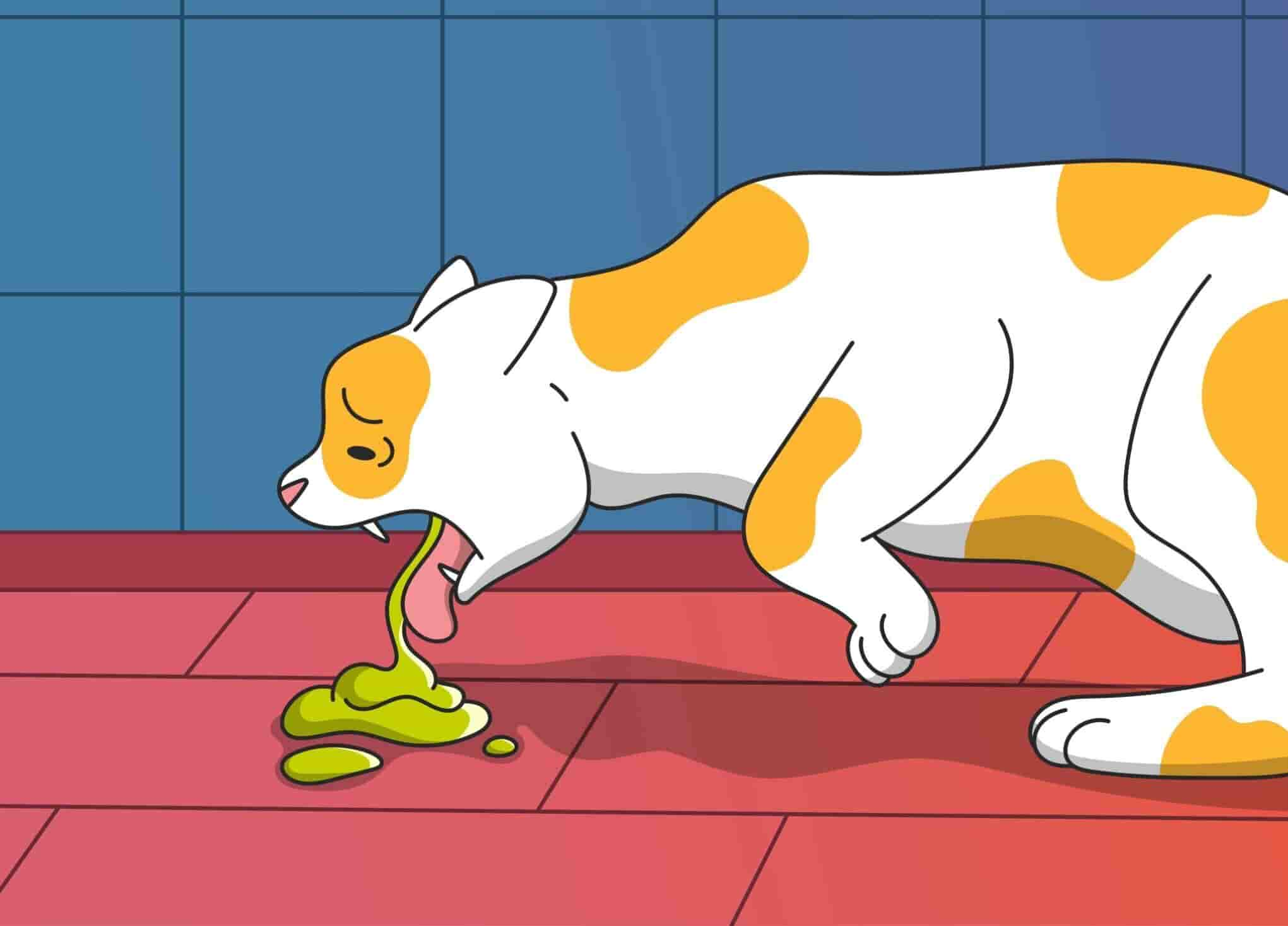
Have you ever seen your cat throw up and wondered what could be wrong? It can be worrying when your furry friend suddenly vomits, especially when you don’t know the reason. Sometimes, vomiting happens because of a minor stomach problem. However, it can also be a sign of an underlying health condition.So, why is your cat vomiting? Cats can vomit for several reasons, including hairballs, eating too quickly, sudden food changes, parasites, and digestive problems. The good news is that paying attention to your cat’s behavior and other symptoms can help you understand when something is wrong.
In this article, you’ll learn about the common causes of vomiting in cats, when you should worry, and what you should do to help your furry friend.
Why Is My Cat Vomiting?
Vomiting is a common symptom in cats, but it is not a disease itself. It happens when a cat’s stomach contents come back out through its mouth.
There are several possible reasons why your cat may vomit. Some causes are minor, while others need veterinary attention.
Let’s look at some common causes.
7 Common Causes of Vomiting in Cats
1. Hairballs
Cats spend a lot of time grooming themselves. During grooming, they swallow loose hair from their coats. Sometimes, this hair collects in the stomach and forms a hairball.
Your cat may eventually vomit to remove the collected hair. Occasional hairballs can happen, but frequent vomiting should be checked by a veterinarian.
2. Eating Too Quickly
Some cats eat their food very quickly. When they eat too fast, they may experience digestive discomfort and bring their food back up.
If this happens regularly, talk to your veterinarian about feeding methods that may help slow down your cat’s eating.
3. Sudden Food Changes
Have you recently changed your cat’s food? A sudden change in diet can upset your cat’s digestive system.
For example, switching from one brand of cat food to another without a gradual transition may cause digestive problems.
When changing your cat’s food, follow a gradual transition plan recommended by your veterinarian.
4. Food Intolerance
Some cats may not tolerate certain ingredients in their food. This can cause digestive problems, including vomiting.
If your cat regularly vomits after eating a particular food, discuss the problem with your veterinarian.
5. Intestinal Parasites
Intestinal parasites, such as roundworms, can affect your cat’s digestive system.
In some cases, infected cats may experience vomiting, diarrhea, weight loss, or changes in appetite.
Regular veterinary checkups and appropriate parasite prevention can help protect your cat.
6. Eating Something Harmful
Cats are naturally curious animals. They may chew plants, swallow small objects, or eat spoiled food.
Some household plants, human medicines, chemicals, and foreign objects can be dangerous to cats.
If you think your cat has swallowed something poisonous or a foreign object, contact a veterinarian immediately. Never try to make your cat vomit unless a veterinarian specifically instructs you to do so.
7. Underlying Health Problems
Sometimes, vomiting is connected to a more serious health condition.
Possible causes include:

- Kidney disease
- Liver disease
- Pancreatitis
- Inflammatory bowel disease
- Gastrointestinal infections
- Intestinal blockages
These conditions may require veterinary examinations and diagnostic tests.
My Cat Keeps Throwing Up but Seems Fine. Should I Worry?
Sometimes, your cat may vomit and then continue playing, walking, and behaving normally.
You might think everything is fine because your cat does not look sick.
However, repeated vomiting should not be ignored, even if your cat seems comfortable afterward.
Pay attention to how often your cat vomits. Also, watch for changes in appetite, drinking habits, energy levels, and litter box behavior.
Frequent vomiting can sometimes be an early sign of an underlying health problem.
If your cat keeps throwing up, arrange a veterinary examination to identify the cause.
Vomiting in Cats: When Should You Worry?
Not every vomiting episode is an emergency. However, certain symptoms can indicate that your cat needs medical attention.
Warning Signs You Should Never Ignore
Contact your veterinarian if your cat:
- Vomits repeatedly.
- Refuses food or has a reduced appetite.
- Becomes weak or unusually tired.
- Has diarrhea along with vomiting.
- Shows signs of abdominal pain.
- Loses weight unexpectedly.
- Cannot keep water down.
Blood in the vomit, severe weakness, suspected poisoning, or possible intestinal blockage requires urgent veterinary attention.
Kittens, senior cats, and cats with existing health conditions may need attention sooner.
When Should I Be Worried About My Cat Throwing Up?
You should be concerned when vomiting happens frequently or appears with other unusual symptoms.
For example, a cat that vomits repeatedly and stops eating may have a more serious problem than a cat that vomits once and returns to normal.
Do not wait for symptoms to become severe before contacting your veterinarian.
What Should I Do If My Cat Vomits?
Seeing your cat vomit can be stressful, but staying calm will help you respond properly.
Here are some steps you can follow.
1. Observe Your Cat
Look at your cat’s behavior after vomiting.
Is your cat active and alert, or does it seem weak and uncomfortable?
Changes in behavior can help you recognize whether your cat needs medical attention.
2. Check What Your Cat Vomited
Notice the appearance and contents of the vomit.
You can take a picture to show your veterinarian. This may help them understand what happened.
3. Provide Access to Fresh Water
Vomiting can cause fluid loss. Make sure your cat has access to clean drinking water.
If your cat cannot keep water down, contact a veterinarian immediately.
4. Avoid Giving Human Medicines
Never give your cat human medicines without veterinary approval.
Some medicines that are safe for people can be toxic to cats.
5. Contact Your Veterinarian
If vomiting happens repeatedly or your cat shows other symptoms, arrange a veterinary examination.
Your veterinarian may recommend physical examinations, blood tests, stool tests, or imaging depending on your cat’s condition.
The correct treatment depends on the underlying cause.
Frequently Asked Questions
What Is the Most Common Cause of Vomiting in Cats?
There is no single cause of vomiting in every cat. Hairballs, eating habits, dietary problems, and stomach irritation are some possible reasons. However, repeated vomiting may indicate an underlying health condition.
Is It Normal for Cats to Vomit Occasionally?
An occasional episode may happen, but frequent vomiting is not normal. If your cat vomits repeatedly, consult a veterinarian to find the cause.
Can Stress Cause Vomiting in Cats?
Stress can affect a cat’s digestive system and may contribute to gastrointestinal problems. However, vomiting should not automatically be blamed on stress. A veterinarian can help identify other possible causes.
Should I Stop Feeding My Cat After Vomiting?
Do not automatically withhold food for a long period. Feeding advice depends on your cat’s age, health, and the cause of vomiting. Ask your veterinarian when and how to feed your cat again.
Conclusion
Vomiting in cats can happen for several reasons, including hairballs, eating too quickly, dietary problems, and underlying health conditions.
If your cat vomits once but continues behaving normally, monitor it carefully. However, repeated vomiting, loss of appetite, weakness, or other unusual symptoms should never be ignored.
Remember, vomiting is a symptom, not a diagnosis. If you are unsure why your cat is vomiting, consult your veterinarian to find the cause and get the right treatment.
References
1. Cornell University College of Veterinary Medicine – Feline Vomiting
https://www.vet.cornell.edu/departments-centers-and-institutes/cornell-feline-health-center/health-information/feline-health-topics/vomiting
2. Merck Veterinary Manual – Vomiting in Cats
https://www.merckvetmanual.com/cat-owners/digestive-disorders-of-cats/vomiting-in-cats
3. VCA Animal Hospitals – Vomiting in Cats
https://vcahospitals.com/cottage/know-your-pet/vomiting-in-cats