

Is Salmon Safe for Dogs?
Salmon can be safe and healthy for dogs, but how you prepare it matters a lot. Dogs love the taste of salmon and many dog foods use salmon as a main ingredient.
In this guide you’ll learn:
- What salmon does for dogs
- How to feed it safely
- Risks like allergies, poisoning, and cooked vs raw
- Answers to common questions pet owners have
Why Salmon Is Good for Dogs:
1. High in Healthy Fats (Omega-3s)
According to cannineperformance
Salmon contains omega-3 fatty acids (EPA & DHA), which are great for:
- skin and coat health
- reducing inflammation
- brain and eye development
- Dogs with itchy skin or joint problems often benefit from salmon’s healthy fats.
2. High-Quality Protein
Protein supports:
- muscle growth
- energy
- overall body maintenance
- Salmon is especially helpful for dogs that are allergic to chicken or beef proteins.
3. Vitamins & Minerals
Salmon provides:
- Vitamin B12 (good for nerves & blood formation)
- Vitamin D (helps bone health)
- Potassium, selenium, and antioxidants
- These nutrients support general health in dogs.
Can Dogs Eat Salmon Raw or Cooked?
Raw Salmon
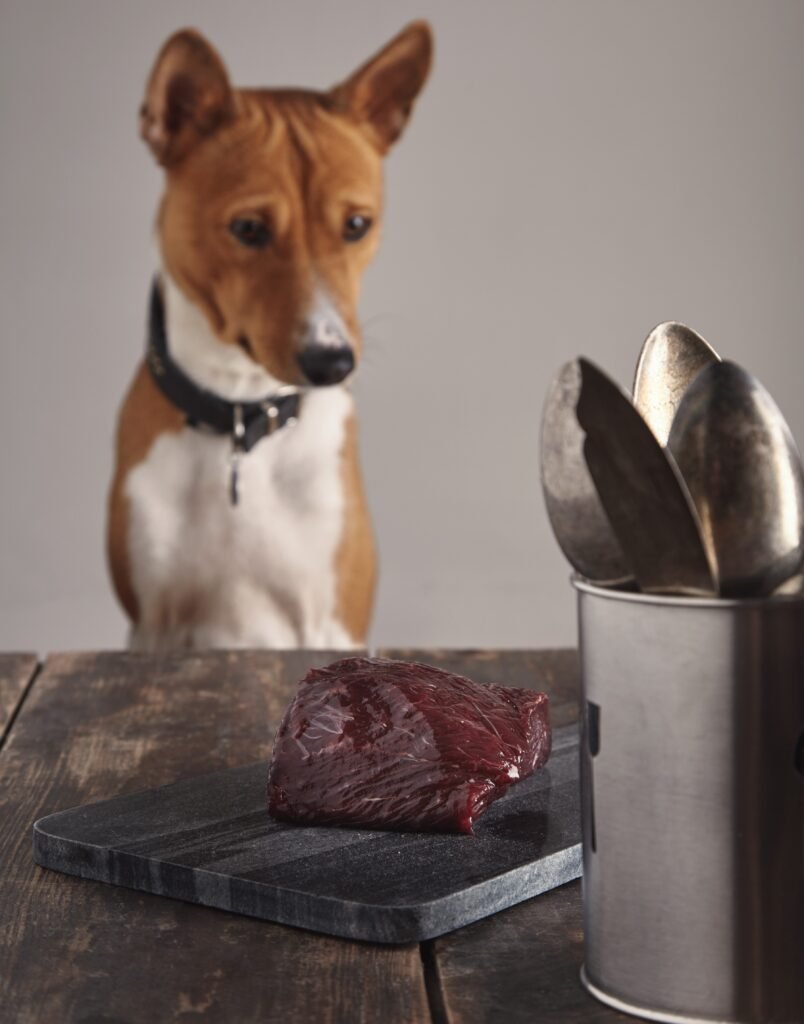
No — raw salmon is unsafe for dogs.
Raw salmon may contain a parasite (Neorickettsia helminthoeca) that causes salmon poisoning disease, which can be fatal if untreated.
Symptoms of salmon poisoning disease include:
- vomiting
- diarrhea
- fever
- lethargy
- swollen lymph nodes
- This condition requires immediate veterinary care.
Cooked Salmon:
Yes — plain, fully cooked salmon is safe and healthy for dogs.
Cooking at least 145°F (63°C) kills any harmful bacteria or parasites.
Important Feeding Rules:
✔ Serve salmon plain — no salt, spices, garlic, onions, or sauces.
✔ Remove all bones — fish bones can choke dogs or injure their insides.
Best safe ways to prepare salmon for dogs:
- Bake
- Grill (plain)
- Poach
- Steam
Avoid smoked salmon and flavored dishes (high salt, spices).
Can Dogs Eat Canned Salmon?
Yes — but with caution:
Safe Canned Salmon Tips
- Choose salmon packed in water (no oil, no salt).
- Rinse well to reduce sodium.
- Watch for bones — even canned salmon may have small pieces.
Benefits of Canned Salmon:
- Still contains omega-3s and protein
- Good option if fresh salmon isn’t available
Risks With Canned Salmon:
- Too much sodium — especially bad for dogs with heart or kidney problems.
- Heavy metals (like low amounts of mercury) can accumulate if fed too often.
- Not a complete meal — just a treat or supplement.
Tip: Use canned salmon as a treat or mix-in with regular dog food rather than a primary diet.
How Often Can Dogs Eat Salmon?
Salmon should be fed in moderation, not as a daily staple.
Suggested Frequency
✔ 1–3 times a week at most
✔ Salmon should be less than ~10% of their total diet
✔ Fresh cooked salmon is healthier than daily canned salmon
Too much salmon — especially high-fat parts — can cause digestive issues or pancreatitis in sensitive dogs.
How Much Salmon Can My Dog Eat?
Here are general weekly portion guidelines (adjust based on vet advice):
| Dog | Suggested Weekly Portion |
| Extra-small (1–20 lbs) | 1–2 oz |
| Small (21–30 lbs) | 2–3 oz |
| Medium (31–50 lbs) | 3–4 oz |
| Large (51–90 lbs) | 4–6 oz |
| Extra-large (over 90 lbs) | 6–8 oz |
This is not full meals—just occasional add-ons. Always start small when introducing salmon.
Can Dogs Have Salmon Everyday?
No — daily salmon is not recommended.
Daily feeding increases the risk of:
- nutritional imbalance
- heavy metal buildup
- digestive upset
- Canned salmon every day is especially not recommended due to sodium and calories.
Common Questions From Dog Owners
Yes — many dogs enjoy the smell and taste of salmon. However, just because they like it doesn’t mean it should be fed every day.
Some dogs are allergic to fish proteins. Signs of a salmon allergy:
itching or scratching
diarrhea or vomiting
red skin or rash
If symptoms appear, stop feeding salmon and consult your vet.
Cooked salmon skin — plain and unseasoned — is okay in small amounts. But it’s high in fat, so too much can upset their stomach or cause pancreatitis.
Salmon has unique benefits like higher omega-3s. For dogs with chicken allergies, salmon can be a great alternative protein source.
Conclusion :
Yes — dogs can eat salmon when it’s:
- fully cooked
- served plain
- free of bones and seasonings
Salmon offers real benefits, like omega-3 fats and protein, but it should be given in moderation and not daily. Always consult your vet before adding new foods to your dog’s diet — especially if your pet has allergies, digestive issues, or health concerns.